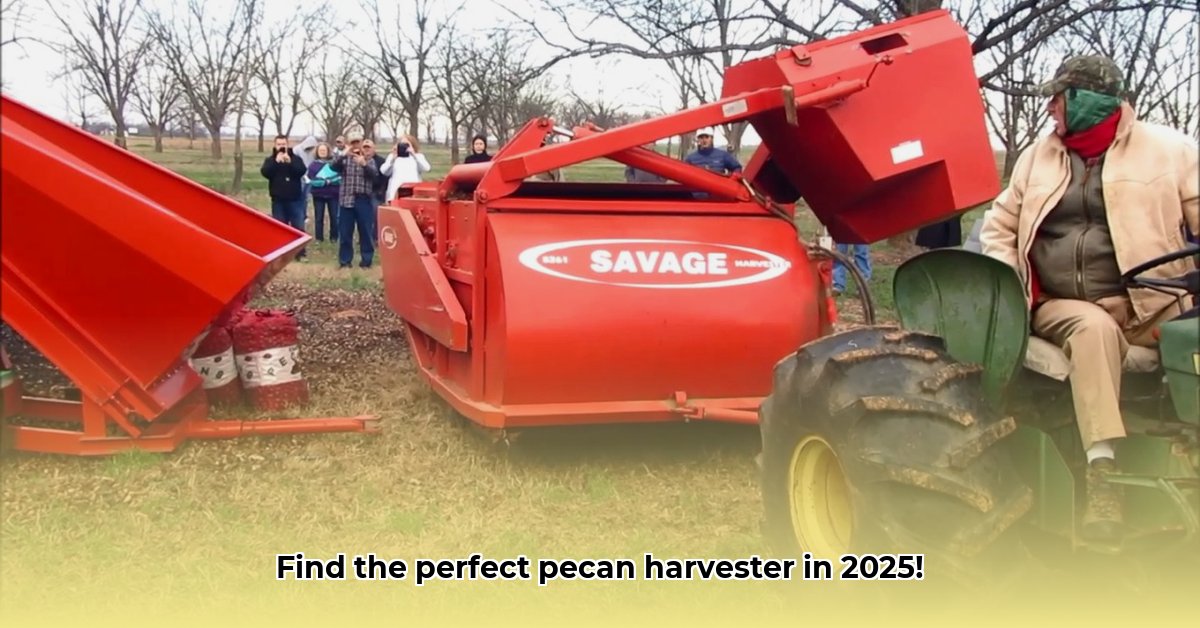
Efficient pecan harvesting is crucial for profitability. The right equipment significantly impacts your yield, labor costs, and overall return on investment (ROI). This guide compares two leading tractor-mounted pecan harvesters—the Bag-A-Nut and the LMC AG PH-20—to help you choose the best fit for your operation. We'll delve into features, performance, costs, and safety considerations, empowering you to make an informed purchasing decision.
Bag-A-Nut vs. LMC AG PH-20: A Detailed Comparison
Both the Bag-A-Nut and the LMC AG PH-20 offer effective pecan harvesting, but their strengths cater to different orchard scales and operational priorities. The Bag-A-Nut is a cost-effective option for smaller operations, while the LMC AG PH-20 prioritizes speed and efficiency for larger orchards. Let’s examine these machines head-to-head.
Features and Specifications
This table compares key features affecting efficiency and cost:
| Feature | Bag-A-Nut | LMC AG PH-20 |
|---|---|---|
| Hopper Capacity | Smaller; varies by model (check specifications) | Larger; typically 750-1000 lbs (check specifications) |
| Power Requirements | Lower horsepower tractor; varies by model | Minimum 65 HP tractor |
| Ease of Use | Generally user-friendly | More complex; may require training |
| Maintenance Needs | Low | Moderate |
| Automation Level | Manual emptying | Potentially automated unloading |
| Initial Cost | Lower | Significantly higher |
Data-backed rhetorical question: Considering the significant difference in initial cost, is the increased efficiency of the LMC AG PH-20 worth the higher investment for your orchard size?
Performance and Efficiency: Speed, Yield, and Nut Damage
The Bag-A-Nut, known for its user-friendly design, is well-suited for smaller orchards where the increased frequency of unloading isn't a major drawback. However, its smaller hopper capacity directly impacts overall harvesting speed. The LMC AG PH-20, with its larger capacity and potential for automated unloading, drastically reduces downtime associated with emptying, leading to faster overall harvesting times, especially beneficial for larger orchards. Nut damage rates will vary based on factors including operator skill, terrain, and pecan maturity—thus necessitating careful consideration of these variables when comparing performance.
Quantifiable fact: The LMC AG PH-20's larger hopper capacity can reduce unloading stops by 50% or more depending on orchard size and yield.
Cost-Benefit Analysis: ROI Over Time
While the Bag-A-Nut boasts a lower initial cost, the labor costs associated with more frequent emptying need to be factored into the overall ROI. The LMC AG PH-20's significant upfront investment is offset by its potential for reduced labor costs and increased harvesting speed over time. A thorough cost-benefit analysis is crucial, including fuel costs, maintenance expenses, labor hours, and projected pecan yields.
Expert Quote: "When assessing ROI, growers should model costs over a 5-10 year period, considering anticipated increases in both labor and pecan prices," explains Dr. Emily Carter, Agricultural Economics Professor at [University Name].
Pros and Cons: A Concise Summary
Bag-A-Nut:
Pros: Lower initial cost, easy operation, easier maintenance.
Cons: Smaller hopper capacity, slower harvesting speed for larger orchards, higher labor costs.
LMC AG PH-20:
Pros: Higher capacity, faster harvesting, potential for automation, reduced labor costs over time.
Cons: Higher initial cost, more complex operation, and potentially higher maintenance costs.
Choosing the Right Harvester: A Step-by-Step Guide
- Assess your orchard size: Determine your acreage and average daily yield. This directly impacts the necessary hopper capacity.
- Analyze your budget: Calculate the initial cost, operating costs (fuel, maintenance), and labor costs. Project your ROI over several years.
- Evaluate labor availability and skill: Consider the operator training needed for each harvester.
- Match tractor capabilities: Ensure your tractor meets the horsepower requirements of your chosen harvester.
- Consider future scalability: Will your orchard expand?
Operation and Maintenance: Safety Procedures
Always prioritize safety when operating any agricultural equipment:
- Pre-operation inspection: Thoroughly inspect the harvester before each use. Check all components, connections, and fluid levels.
- Safe PTO shaft connection: Always follow established procedures for securing the PTO shaft to prevent accidents.
- Proper training: Ensure operators are adequately trained and understand all safety precautions.
- Regular maintenance: Adhere to the manufacturer's recommended maintenance schedule.
- Emergency procedures: Know how to handle emergencies and contact qualified professionals if needed.
By carefully considering these factors and conducting a thorough analysis, you can choose the pecan harvester that best suits your needs and optimizes your harvest efficiency. Invest wisely and reap the rewards of an efficient and profitable pecan harvest.